
Dry Eye Treatment in Alpharetta, GA
20/20 Eye Care provides ongoing support for dry eye symptoms, including burning, blurred vision, and excessive tearing. Dr. Samia Idris offers clear, one-on-one care focused on relieving discomfort and helping patients maintain eye comfort throughout the day.


Dry Eye Causes Daily Discomfort for Many Adults & Teens
Dry eye can cause stinging, grittiness, light sensitivity, or watery eyes that feel worse in the evening. Symptoms often flare up with screen time, allergy exposure, or dry indoor air.
In Alpharetta and nearby areas, seasonal changes and long commutes can also worsen dry eye symptoms. Patients may not realize their vision changes or eye fatigue are related to tear film instability until they receive a professional evaluation.
What Contributes to Dry Eye Symptoms
Dry eye is often caused by poor tear quality, eyelid inflammation, or reduced natural tear production. Contact lens use, hormonal shifts, medication side effects, and autoimmune conditions can all increase the risk.
Environmental factors, like heating systems or pollen, are common triggers in Alpharetta. Dr. Idris evaluates all contributing causes to create a plan that fits your needs and lifestyle.

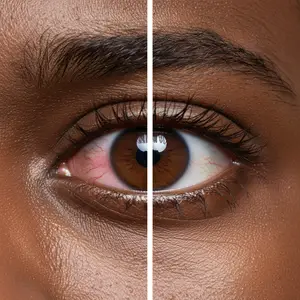
Dry Eye Treatment Without In-Office Procedures
Dr. Idris manages dry eye using non-invasive methods, including preservative-free artificial tears, heat therapy, eyelid hygiene routines, and omega-3 supplements.
For patients with contact lens discomfort, she may recommend changing lens types or reducing wear time. In-office treatments such as LipiFlow or punctal plugs are not offered at this practice.
When advanced care is needed, patients are referred to local specialists with a complete record of their prior treatment.
Common Dry Eye Symptoms to Watch For
Chronic eye conditions often start gradually. Some symptoms may come and go, while others build slowly until they begin to interfere with daily life. Early detection can help prevent long-term vision problems. If you notice any of the following signs, it’s a good time to schedule a visit:
-
Fluctuating or blurred vision
-
Light sensitivity or glare
-
Red, irritated, or burning eyes
-
Trouble seeing at night
-
Vision that worsens with screen time or reading
-
Floating spots or flashes of light
These symptoms can be linked to dry eye, diabetic eye disease, age-related changes, or other ongoing conditions. Dr. Idris will help identify the cause and guide you toward a plan that makes sense for your eyes and your lifestyle.

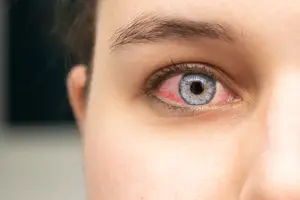
Is Dry Eye Care Right for You?
Not everyone needs the same approach to vision care. If you’re managing a chronic health condition or have noticed subtle vision changes, long-term eye monitoring can help protect your sight and give you peace of mind. This kind of care is especially helpful if you:
-
Have diabetes or high blood pressure
-
Are over age 55
-
Experience dry, burning, or gritty eyes regularly
-
Have been told you may have early signs of glaucoma or macular changes
-
Prefer to see the same doctor consistently—not a rotating provider
At 20/20 Eye Care, Dr. Idris provides one-on-one, steady care that’s built around your history and long-term goals.
When to Schedule a Dry Eye Evaluation in 20/20 Eye Care
Schedule an eye exam if you regularly use lubricating drops, feel irritation in the morning or evening, or notice vision changes after using screens. Dry eye is common in patients over 40, contact lens wearers, and those with allergies, diabetes, or autoimmune disorders. Early diagnosis helps prevent worsening symptoms and reduces the risk of long-term irritation or corneal damage.